

sustainably sourced ingredients
behind our perfumes
All strangelove perfumes use sustainably sourced ingredients of highest quality. We take pride in finding rare and unique ingredients that when combined creates emotion evoking scents.

our love story starts with the farming
sustainable sourcing
We use two kinds of sustainable, natural ouds in each of our perfumes, which we source directly from farms in India, Vietnam, Thailand, and Cambodia. Because of oud’s luxurious connotation and rapidly increasing scarcity of the agarwood tree, the rainforests in south east Asia have been deleted in the search for the precious resin that creates oud. We only source our genuine ouds from farms that are 100% sustainable.

and continues with our passion for rare scents
rare ingredients
It's no secret that we do perfume a little different, that we go back to the roots and source the highest quality ingredients that we can find. A part from that, we also have a passion for rare and emotion evoking scents. Together with our master perfumer we create combinations that are intriguing and keeps you wanting more.
sustainably sourced ingredients
each scent is unique.. learn about the specific ingredients below

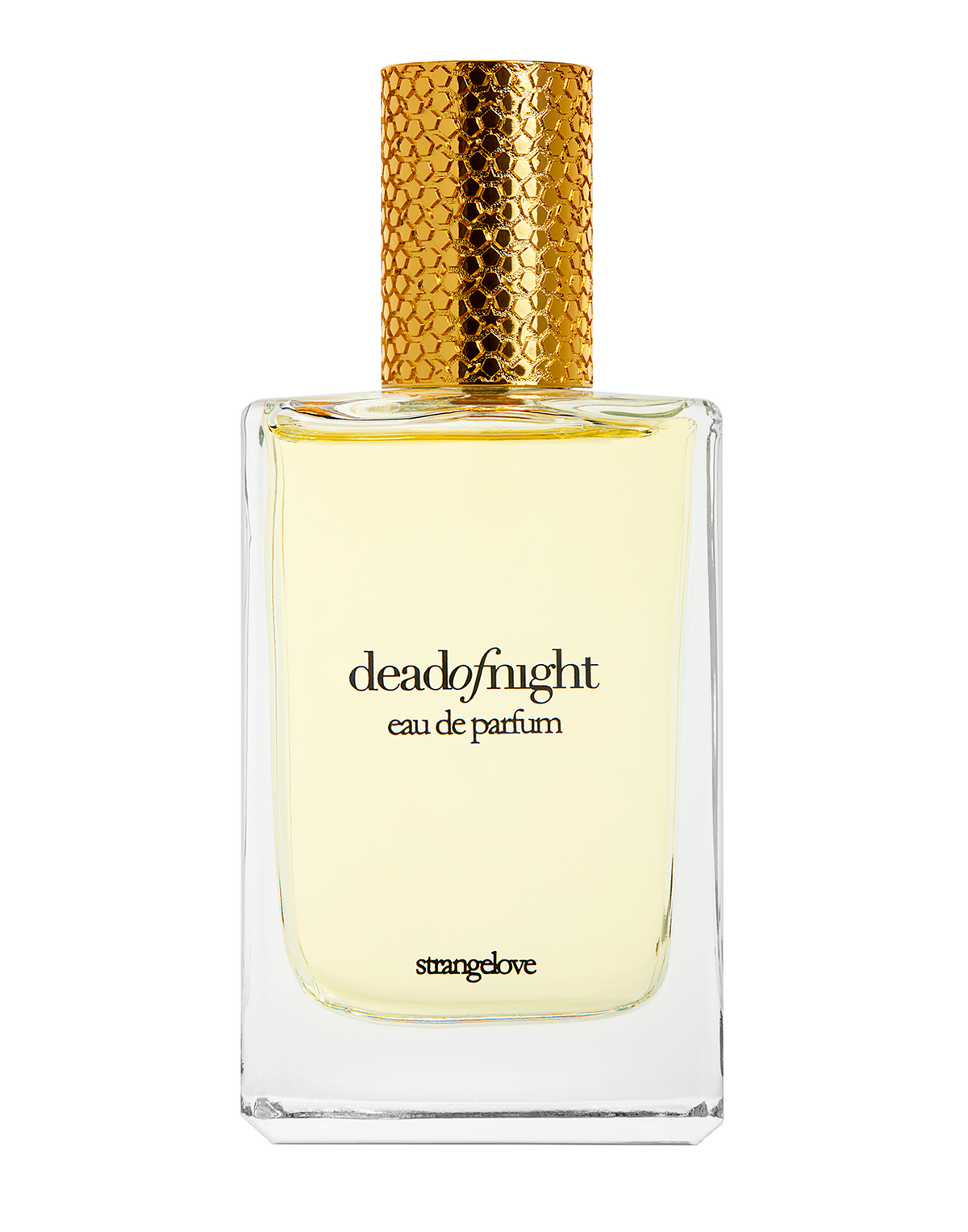
dead of night
SANDALWOOD
SCENT: Creamy, spicy, woody, warm, smooth and sweet smell; slightly powdery; legendary for its lingering quality. Sandalwood smells very exotic, comforting, and meditative.
ORIGIN/PRODUCTION: Sandalwood used in perfumery is the dark heartwood. Has been used longer than almost any other ingredient in perfumery.
TUBEROSE
SCENT: Rich, sensual, narcotic floral. In perfumery, it's a very versatile scent and works with a lot of notes.
ORIGIN/PRODUCTION: Has the unusual quality of producing oil up to 3 days after it has been picked. One of the last materials still treated by Enfleurage. One of the most expensive materials in perfumery.
JASMINE
SCENT: Rich, fruity, warm, narcotic, sensual and animalic floral
ORIGIN/PRODUCTION: Takes five million blossoms (hand picked) to produce a kilo of Jasmine Absolute. When first introduced in the mid-sixteenth century, it was known as “the flower”

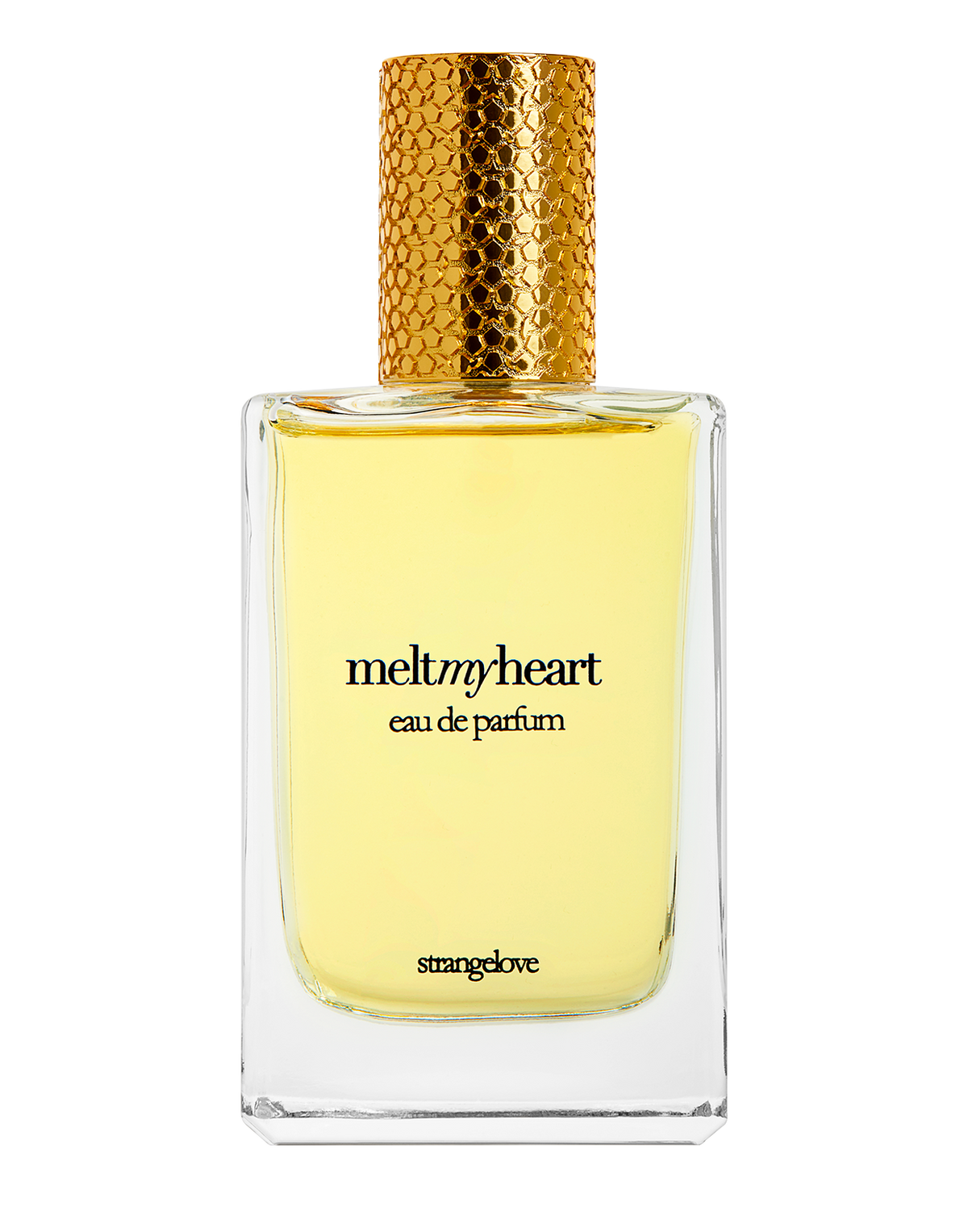
melt my heart
ORRIS BUTTER
SCENT: Subtle, delicate and complex, with a sweet-floral, woody-earthy-rooty aroma that is fresh, vaguely medicinal and delicately floral even trace amounts have a noticeable effect on a perfume where it has an exalting effect, meaning that it "lifts" and enhances the entire fragrance accord, makes it richer, and adds a “vibration,” a presence that is not overwhelming.
ORIGIN/PRODUCTION: Extraordinarily expensive—it takes one ton of iris root to produce one kilo of iris butter through a process that is very time consuming and technically demanding. Orris butter is steam distilled from the roots (not the flowers) of Iris pallida, but only after the roots have been aged for three years.
DARK CHOCOLATE
SCENT: Rich, warm, soft, pronounced note that is deep and not particularly sweet, with a dusty feel and a bitter edge. Inhaling the aroma can reduce stress, anxiety and cravings. Sensual enhancement in perfume; heady deliciousness.
ORIGIN/PRODUCTION: Obtained from the fruit and seeds of a small tree, Calycanthus occidentalis, which grows across Central America.
YLANG YLANG
SCENT: Heady, sweet, creamy, balsamic, sensual, floral. Used in aromatherapy frequently for stress relief ORIGIN/PRODUCTION: Comes from the Cananga odorata tree in Asia and South Pacific Islands. Distillation of Ylang Ylang is unique in the industry, done only by highly skilled individuals. The process of distillation of ylang ylang is done in situ; it produces four differing qualities of oil which must be drawn off at varying intervals.

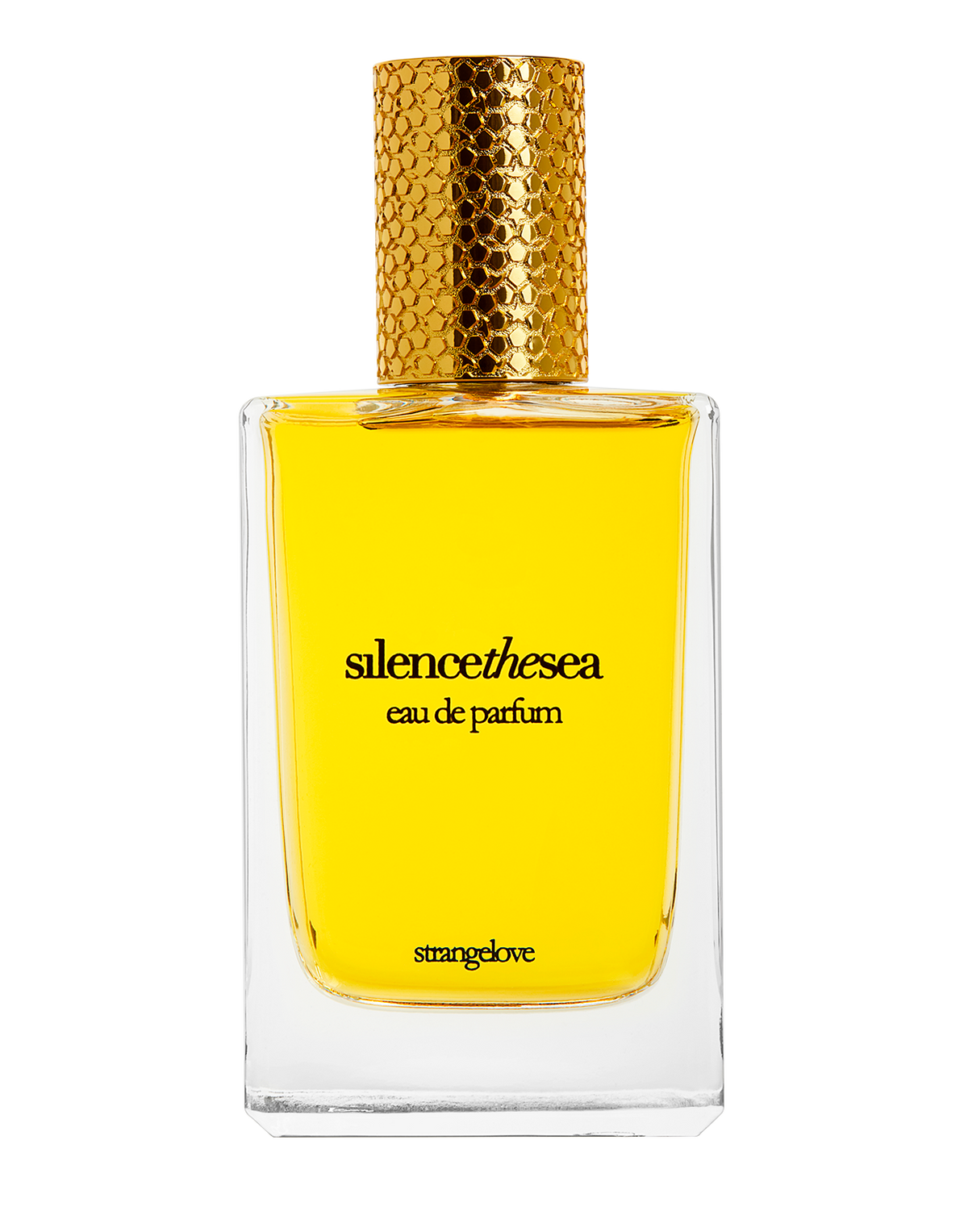
silence the sea
AMBERGRIS
SCENT: Ambergris is an alleged aphrodisiac; it is used as a fixative to help scents last much longer and its perfume can be best described as marine, animal and sweet.
ORIGIN/PRODUCTION: Ambergris is a secretion from sperm whales who secrete a waxy paste to protect themselves from digestive irritation; it obtains its odor when in contact with salt and sun. The longer it floats on the water’s surface, the softer its scent. It is the most costly of all raw materials, worth around 10 times the price of gold.
NARCISSUS ABSOLUTE
SCENT: Scent resembles dark green leaves with a touch of hyacinth and jasmine
ORIGIN/PRODUCTION: Narcissus comes from the amaryllis family (along with Daffodils)
FRANKINCENSE
SCENT: Has a fresh, almost citrus-like aspect which counterparts a pronounced warm, woody, dominant themeORIGIN/PRODUCTION: Frankincense absolute is obtained from Boswellia trees, native to the Arabian peninsula & northeastern Africa

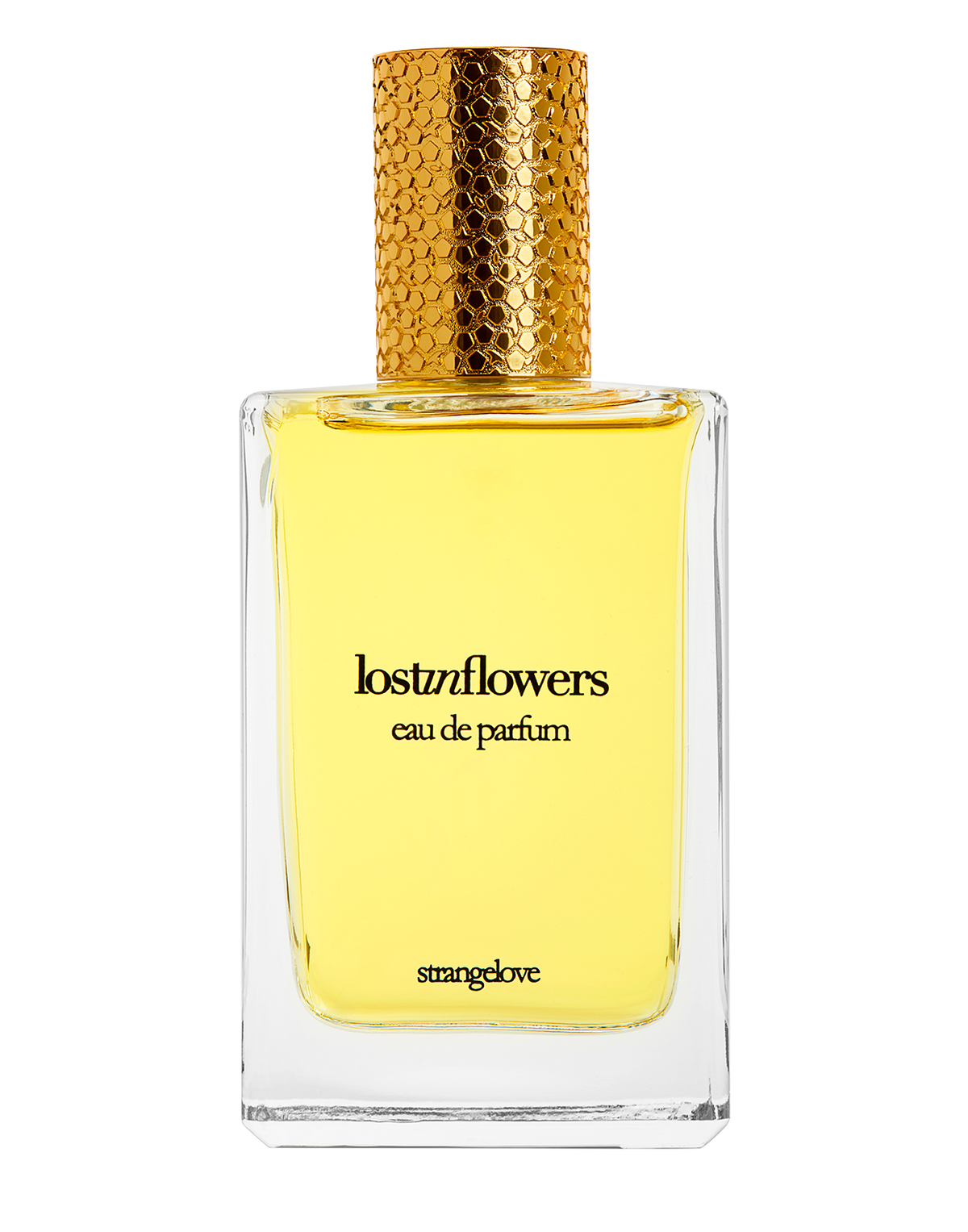
lost in flowers
RED CHAMPACA
SCENT: Sweet, warm, sensual, with an almost woody undertone.
Known to be a “joy oil” and natural mood enhancer
ORIGINS/PRODUCTION:
Obtained from the flowers of the Michelia champaca tree, which is a Magnolia grown in Asia. The tree flowers once during the monsoon and then again in the Spring, producing a powerful odor.
GARDENIA ENFLEURAGE
SCENT: Sweet, heady floral fragrance
ORIGIN/PRODUCTION: The enfleurage technique of distillation is barely used anymore as it’s tremendously labor intensive, but make the scent unbelievably rich and intense. It is an intensive process and requires several pounds of gardenia petals per ml of oil.
FRENCH OAKMOSS
SCENT: Earthy, damp, animalic, leather-like -- antithesis of floral notes
Key component of classical Chypré and Fougères structures
ORIGIN/PRODUCTION: Tree lichen. Known as “Mousse de Chêne” in French

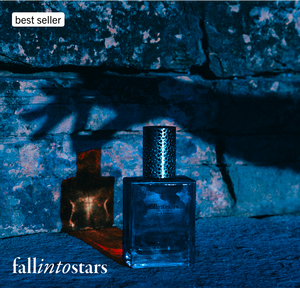
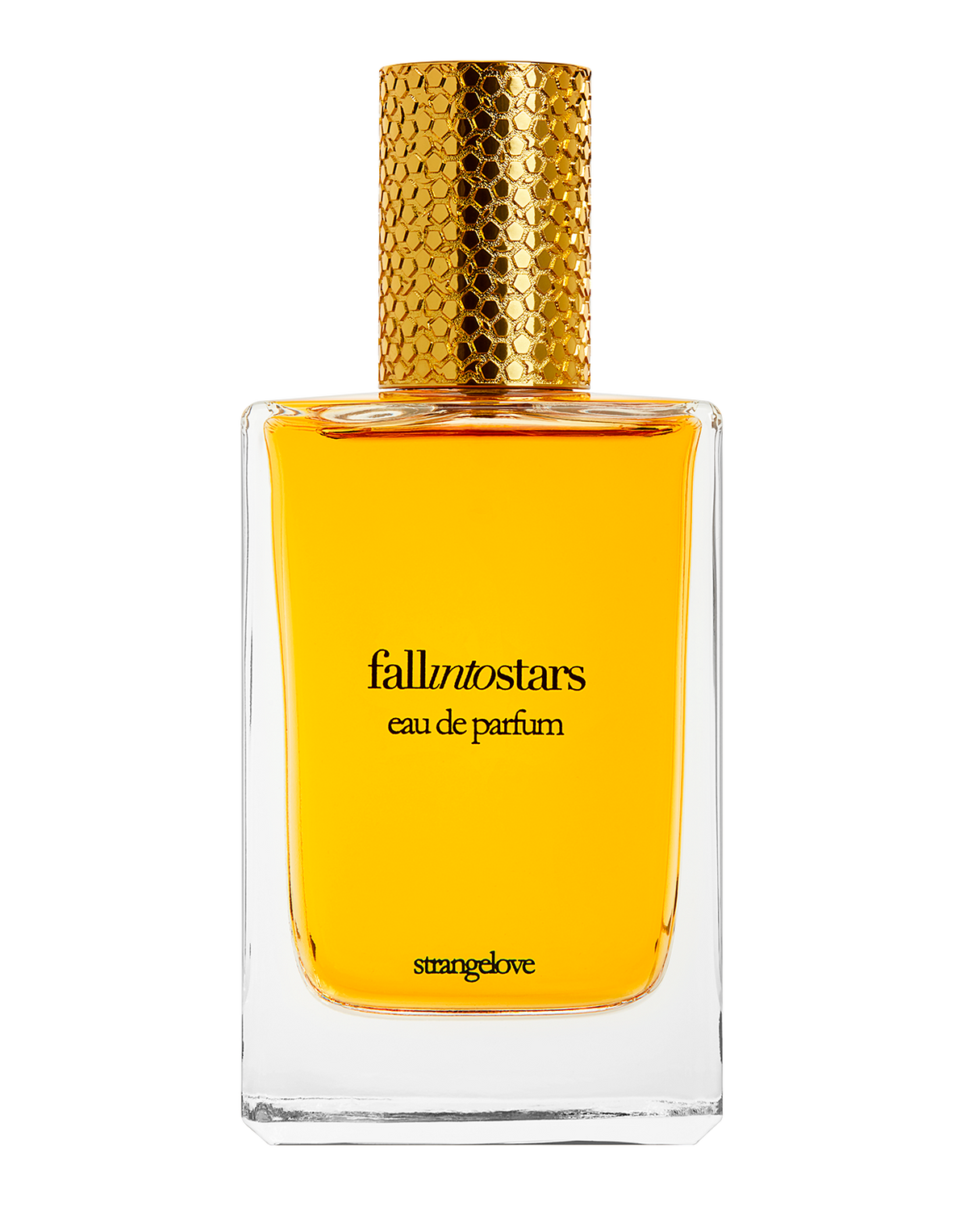
fall into stars
ROSEWOOD
SCENT: Slightly rosy, warm, woody, and floral. A highly diffusive oil, it connects well with both heart and top notes.
ORIGIN/PRODUCTION: Rosewood oil is obtained by chipping Aniba rosaeodora prior to distillation. The rosewood we use in fall into stars is sourced sustainably from a distillery in the Peruvian Amazon.
JONQUIL
SCENT: Heady, rich floral with musky undertones.ORIGIN/PRODUCTION: The jonquil in fall into stars is derived from the French daffodil, or "cream narcissus." They are often harvested at the "one bell" stage, when only one flower is open on the spike. Natural jonquil is rarely used in perfumery today.
LABDANUM
SCENT: Sensual and warm leathery resin, the smell of Labdanum can be reminiscent of Ambergris. Labdanum improves the longevity of a fragrance when formulated well among other ingredients, helping a perfume linger nicely. ORIGIN/PRODUCTION: Obtained from the Cistus plant. Sometimes known as Rock Rose, which grows in Corsica, the South of France. The raw resin is extracted by boiling the leaves and twigs.

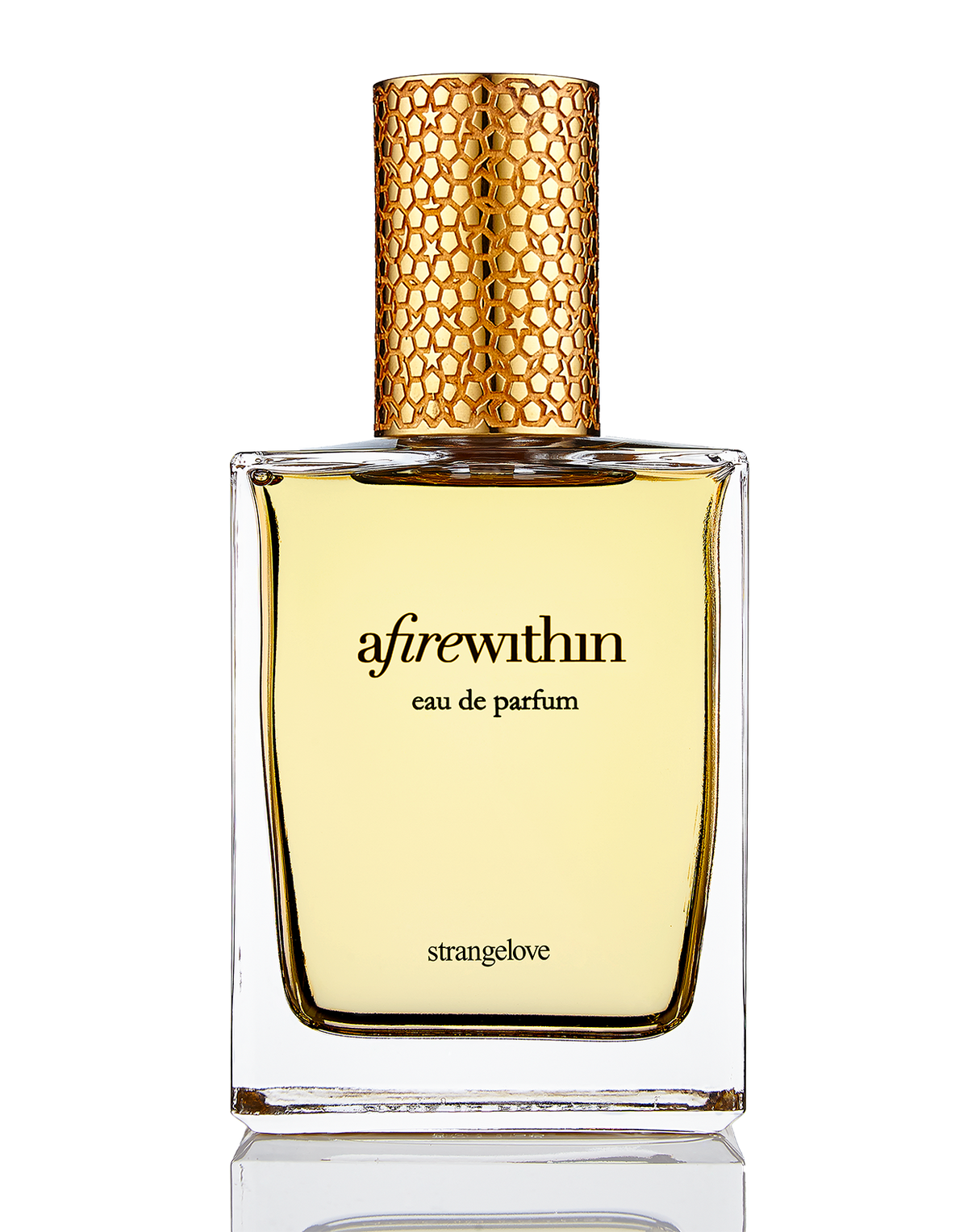
a fire within
vanilla
scent: warm, sweet, rich, and balsamic, with a soft, creamy, almost gourmand depth. one of the most comforting and universally beloved notes in perfumery, it adds sensuality and roundness, smoothing and harmonizing the other materials in a composition.
origin/production: derived from the cured seed pods of the vanilla orchid, primarily vanilla planifolia. one of the only orchids to produce an edible fruit, and one of the most labor-intensive crops in the world, as each flower must be hand-pollinated. the green pods have no aroma when picked; their scent is developed through a months-long curing process of blanching, sunning, and sweating, during which enzymes release the vanillin responsible for its distinctive smell.
incense
scent: resinous, balsamic, and warm, with a bright citrus-pine lift and a smoky, meditative, almost sacred quality. it acts as a bridge between top and base notes, lending depth and a contemplative, ceremonial character to a fragrance. the very word "perfume" derives from the latin per fumum, "through smoke," a nod to incense's ancient origins.
origin/production: obtained from the aromatic resin of the boswellia tree. when the bark is carefully scored, the tree exudes a milky sap that hardens in the air into "tears," which are then hand-sorted and steam-distilled to extract the oil. treasured since antiquity and once valued alongside gold, the finest resins come from regions such as oman and the horn of africa.
cedarwood
scent: warm, dry, woody, and balsamic, with a smooth, grounding character. legendary as a base note and fixative, it anchors lighter, more volatile materials and lends tenacity and quiet strength to a composition.
origin/production: as with all wood oils, the aromatic material lives in the heartwood rather than the foliage, and the wood is chipped before steam distillation so the steam can draw the oil out. several distinct trees are sold under the name: the "true" cedars, atlas and himalayan, and the junipers often called virginia and texas cedarwood. cedarwood is also considered one of the first materials ever distilled, used by the egyptians in embalming.

the lab
Some of you have inquired about what really makes strangelove’s line of perfumes so special. Or more specifically: What makes strangelove so premium?
sustainably sourced ingredients
behind our scenes
Our perfume oils are 100% pure perfume, gluten free, and cruelty free. We do not use parabens or phthalates in any of our products. We emphasize product development over marketing; to that end, we use the finest quality French glass for our bottles; our caps are custom-made with 24-karat gold plating.

We take pride in using the most exquisite ingredients in our creations. Working directly with sustainable suppliers is integral to our mission. Agarwood and sandalwood trees, in particular, have come close to extinction due to logging and exploitation. . We work exclusively with sustainable tree farms to ensure that we are not contributing to further deforestation.
Our perfume concentrations range from 20% to 30% oil-based pure perfumes, which makes our parfums “extraits de parfum.” Our perfume oils are 100% pure perfume, gluten free, and cruelty free. We do not use parabens or phthalates in any of our products. We emphasize product development over marketing; to that end, we use the finest quality French glass for our bottles; our caps are custom-made with 24-karat gold plating. We genuinely appreciate our customers, and take the time to get to know them and answer any questions they may have. We find this to be one of the most rewarding aspects of what we do, and we hold our relationships with our customers close to our hearts.
In image: Elizabeth Gaynes and Helena Christensen